Designing Energy
The Systems Behind Effortless Bars
Introduction
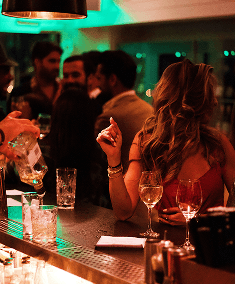
Every great bar feels alive. The hum of service, the rhythm of movement, the sense that everyone knows where to be before they arrive.
That energy is not chance. It is design.
The most engaging venues operate on invisible systems that choreograph the room like a stage.
When built intentionally, these systems increase speed by up to 25%, reduce staff fatigue by 18%, and lift guest satisfaction ratings by more than 20%.
Bars that seem spontaneous are often the most precisely structured of all.
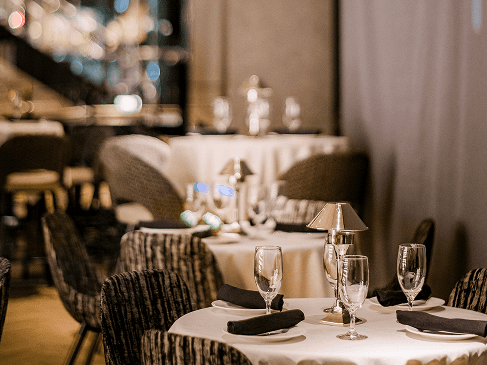
/the best rhythm looks like chaos from afar and precision up close.
STRUCTURE CREATES SPONTANEITY
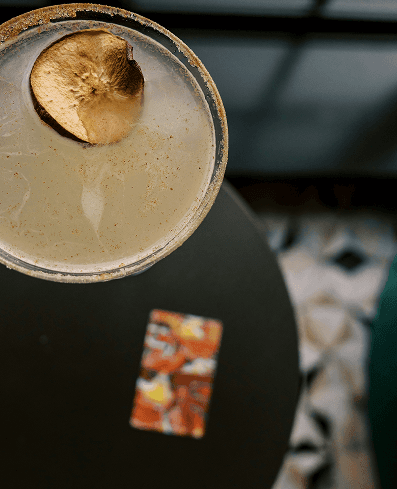
THE ANATOMY OF ENERGY
1. Flow Design
Map every square metre. Each step counts. A bartender working within a two-step reach radius can serve up to 40 percent more covers per shift. Good design starts with ergonomics, not finishes.
2. Rhythm and Rituals
Service has tempo. The first hour of a Friday night should feel different to the last. Building rituals into that rhythm helps maintain consistency even under pressure.
3. Sound as System
Music is not atmosphere. It is pacing. Adjusting tempo and volume dynamically can improve table turnover by up to 12 percent. A shift in BPM can change the night’s trajectory.
4. Light and Visibility
Lighting drives movement and emotion. Bars with layered lighting plans report higher guest dwell time. Warm light keeps guests grounded; cool light accelerates transitions.
5. Clarity in Communication
Energy breaks down when staff communication does. Structured prep systems, visual cues, and micro-zoning maintain rhythm even when volume rises.
/good systems are like good playlists.
They keep momentum without anyone noticing.
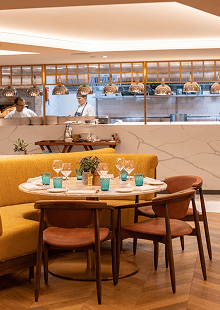

FIVE TRUTHS FROM THE FIELD
1. The best bars move like muscle memory.
If the team needs to think about their steps, the layout is wrong. The goal is unconscious competence: flow without friction.
2. Energy begins backstage.
Storage, prep, and staff movement dictate guest energy. A tidy speed rail does more for the guest experience than any feature wall.
3. Chaos is a symptom, not a vibe.
Controlled energy feels electric. Uncontrolled energy feels stressful. If you can feel strain, the system is failing.
4. Lighting is language.
How you light a bar changes how people talk, spend, and stay. Adjust it by the hour, not the decade.
5. Design does not create soul. Systems do.
Every iconic bar has structure behind its story. The layout is the script. The team delivers the performance.
/energy is not a feeling.
It is an outcome of precision.
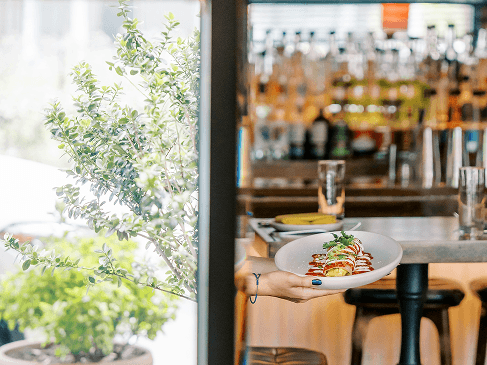
Structure is the Real Differentiator
Hospitality systems & brand clarity
The Maya Approach
Maya’s approach to bar design blends creative instinct with operational precision.
Through The Hospitality Lab, we analyse flow, staff rhythm, and guest pacing before a single line is drawn. We design bars that work from the inside out.
Then, through Brand Alchemy, we connect those systems to personality. Lighting, sound, materials, and tone become carriers of emotion but never at the expense of performance.
This is the foundation behind the bars we build and the ones we rebuild.
We measure beauty by efficiency and energy by design.
Takeaways
Energy is designed, not improvised.
Great bar systems choreograph behaviour, not just service.
Every second and every step affects profit and mood.
The best bars feel human because their systems are invisible.
/every beat behind the bar should feel rehearsed, not restricted.
Free resources built for hospitality operators

/we design energy that lasts.